What Are Modern Architectural Styles and Why Do They Matter?
Modern architectural styles refers to a design movement that emerged in the early 20th century, emphasizing clean lines, functional spaces, and the rejection of historical ornamentation. These styles transformed how we think about buildings by prioritizing purpose over decoration and embracing new materials like steel, glass, and reinforced concrete.
Key Modern Architectural Styles at a Glance:
| Style | Era | Key Features |
|---|---|---|
| Art Deco | 1920s-1930s | Geometric patterns, zigzags, sleek lines |
| Bauhaus | 1919-1933 | Industrial materials, flat roofs, primary colors |
| International Style | 1930s-present | Glass and steel, no ornamentation, open spaces |
| Mid-Century Modern | 1945-1969 | Organic forms, large windows, indoor-outdoor connection |
| Brutalism | 1950s-1970s | Raw concrete, blocky shapes, exposed structure |
Modern architecture emerged from a desire to break free from historical styles and create something purely functional and new. Form follows function became the guiding principle—meaning a building’s design should be dictated by its purpose, not by decorative traditions.
These styles share common traits: minimal ornamentation, open floor plans, large expanses of glass, and an honest expression of materials. Whether it’s the streamlined curves of Streamline Moderne or the geometric precision of the International Style, modern architecture celebrates simplicity, efficiency, and the beauty of structural truth.
Understanding these styles helps you make informed decisions about your own project. Each style offers distinct visual and functional benefits, and choosing the right one depends on your lifestyle, site conditions, and personal aesthetic.
I’m Dan Keiser, founder of Keiser Design Group, and over three decades I’ve helped clients across Ohio, Indiana, and Kentucky steer the diverse world of modern architectural styles to create custom homes that are both timeless and deeply personal. My hands-on approach ensures that your vision is realized with integrity, innovation, and a deep understanding of how modern design principles can transform the way you live.
The Core Principles of Modern Design
The core principles of modern design are rooted in functionality, efficiency, and a rejection of the ornate styles that preceded it. This movement revolutionized how we approach building design, focusing on creating spaces that serve human needs while embracing the possibilities of new technologies and materials.
At the heart of modern design is the idea that “form follows function,” a philosophy championed by early modern architects. This means that a building’s appearance should naturally arise from its purpose and structure, rather than being dictated by historical decorative elements. The result is an aesthetic characterized by:
- Clean Lines and Geometric Forms: Modern buildings often feature sharp, clean lines and simple geometric shapes, emphasizing clarity and order. This minimalist approach strips away unnecessary embellishment, allowing the structure itself to be the focal point.
- Minimal Ornamentation: Unlike Victorian or Gothic Revival styles, modern architecture largely eschews decorative elements. Beauty is found in the purity of form, the quality of materials, and the interplay of light and space.
- Open Floor Plans: Modern residential designs prioritize fluidity and interconnectedness between living spaces. Walls are often minimized, creating a sense of spaciousness and allowing natural light to penetrate deeper into the home. This flexibility also supports various activities and family interactions.
- Large Windows and Natural Light: Expansive windows and glass walls are hallmarks of modern design, blurring the boundaries between interior and exterior. This not only floods spaces with natural light but also offers inhabitants a strong connection to their surroundings. For more on this, explore our Modern Architecture: Glass Guide.
- Connection to the Outdoors: Modern architecture frequently integrates indoor and outdoor living areas, leveraging patios, terraces, and gardens to extend living spaces. This improves well-being and provides a seamless experience with nature.
- Honesty of Materials: Materials are often left exposed or used in their natural state, celebrating their inherent qualities. This includes the prominent use of:
- Steel: Valued for its strength and ability to create slender structural frames, allowing for larger open spans and expansive glass walls.
- Glass: Used extensively for transparency, light, and connecting interior spaces with the exterior.
- Concrete: Often exposed, showcasing its raw texture, or used for its versatility in forming sculptural shapes and robust structural elements.
These principles combine to create functional, efficient, and aesthetically refined spaces. For a deeper dive into crafting a modern home, check out our Modern House Design Guide 2026.
A Closer Look at the Top 10 Architectural Styles: Modern Edition
1. Art Deco
Art Deco is an architectural style that achieved enormous popularity in the 1920s and ’30s, characterized by bold accents, sleek lines, and geometric details. It emerged from various influences, including ancient Egypt, Hollywood glamour, and French decorative arts, becoming popular during the “Jazz Age” and as part of the broader modernist trend.

Key features of Art Deco include:
- Geometric Patterns: Expect to see sharp angles, zigzags, chevrons, sunbursts, and other stylized motifs.
- Sleek, Linear Appearance: Buildings often present a vertical emphasis with a streamlined, modern look.
- Use of Steel and Decorative Glass: Shiny steel and decorative glass were frequently incorporated to give buildings a futuristic feel.
- Rounded Corners: Walls and other elements often have curved corners, adding to the streamlined aesthetic.
- Rich Materials and Color: While modern in its approach, Art Deco accepted lavish decoration and color, often using stucco, terra cotta, and contrasting hues.
Iconic examples include New York City’s Empire State Building and Chrysler Building, which showcase the style’s verticality and decorative elements. In our region, cities like Cincinnati boast impressive Art Deco structures, such as the Carew Tower, reflecting this era’s vibrant design. You can learn More about Cincinnati’s architectural styles to appreciate its local Art Deco heritage.
2. Bauhaus
Bauhaus architecture emphasizes simplicity, functional design, and the use of industrial materials, fitting minimalist themes with clean lines and geometric forms. Originating from the influential German art school founded by Walter Gropius in 1919, Bauhaus sought to unify art, craft, and technology to create functional and aesthetically pure designs for mass production.
Defining features include:
- Simplicity and Functionality: Every element serves a purpose; ornamentation is eliminated.
- Unadorned, Rational Design: Designs are logical and straightforward, celebrating the structural and material truth.
- Use of Industrial Materials: Concrete, steel, and glass are prominently featured, often left exposed.
- Flat Roofs: A common characteristic, contributing to the geometric purity and horizontal emphasis.
- Glass Curtain Walls: Large expanses of glass are used, reflecting the transparency and openness of modern ideals.
- Primary Color Palettes: While often minimalist, primary colors (red, blue, yellow) were sometimes used as accents, particularly in interior and furniture design.
The Dessau Bauhaus school building, designed by Walter Gropius, is a quintessential example of this style, demonstrating its principles in a cohesive manner. This focus on functionality and clean aesthetics significantly influenced modern interiors, a topic we explore further in Modern Architecture: Interiors.
3. International Style: The Essence of Modern Architectural Styles
The International Style is a style of building that emphasizes function and a streamlined form over ornamentation, becoming dominant after World War II until the 1980s. It is perhaps the most recognizable of modern architectural styles, defined by its radical simplicity and universality.
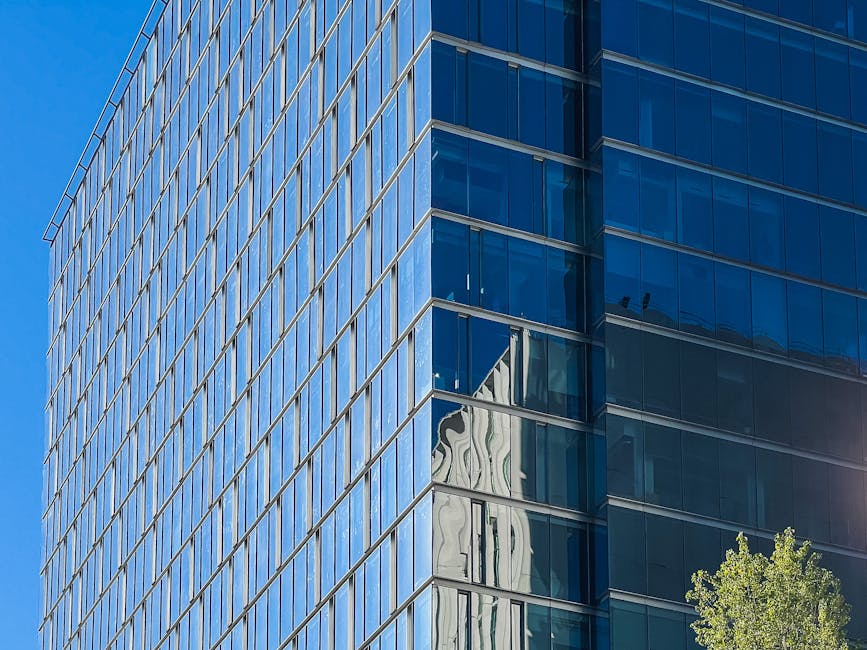
Key characteristics of the International Style include:
- Radical Simplicity: Designs are stripped down to their essential forms, with no extraneous decoration.
- Rectilinear Forms: Buildings typically feature cubic or rectangular shapes, creating a sense of order and machine-like precision.
- Open Interior Spaces: Flexible, flowing interiors are achieved through the use of steel frames, eliminating the need for load-bearing walls.
- No Ornamentation: The aesthetic relies on the inherent qualities of materials and the elegance of structural expression.
- Prominent Use of Glass, Steel, and Concrete: These materials are central to the style, enabling transparency, strength, and smooth surfaces.
The International Style is exemplified by iconic glass and steel skyscrapers that define urban skylines worldwide. Its principles were widely adopted for institutional and corporate buildings, showcasing a departure from historical styles towards a more universal architectural language. Our work often incorporates these principles, especially when designing modern commercial spaces. For insights into innovative roof designs often seen in this style, consider our Modern House Rooftop Design.
4. Mid-Century Modern: A Popular Choice in Modern Architectural Styles
Mid-Century Modern architecture emerged in the United States by the middle of the 20th century, specifically thriving from the 1940s through the 1970s. Architects trained in the tenets of Modernism began to experiment with new materials and forms, creating a style that balanced modernist principles with a warmer, more residential sensibility.
Defining traits include:
- Organic and Geometric Forms: A blend of straight lines and geometric shapes with more flowing, organic elements.
- Minimal Ornamentation: Like other modern styles, it avoids excessive decoration, focusing on clean aesthetics.
- Connection to Nature: Designs often feature large windows and sliding glass doors that seamlessly integrate indoor and outdoor spaces, fostering a biophilic connection.
- Large Windows and Sliding Glass Doors: These elements maximize natural light and offer expansive views, creating bright, airy interiors.
- Split-Level Spaces: Many mid-century modern homes incorporate split-level designs, adding dynamic verticality and functional separation without sacrificing openness.
- Honest Expression of Materials: Wood, stone, and brick are often used in combination with steel and glass, celebrating their natural textures.
Mid-Century Modern is particularly popular for residential design, especially from 1945 to 1969. It represents a period of optimism and innovation in home building, offering comfortable and stylish living environments. For more inspiration on residential projects, dig into Modern Residential Architecture: The Eye Candy of the 21st Century.
5. Prairie School
Prairie School architecture, pioneered by Frank Lloyd Wright around the turn of the 20th century (1900–1917), is deeply rooted in the American Midwest and aims to harmonize with the flat, expansive landscape of the prairie. Wright considered his architecture entirely unique and his own, refusing to be categorized, yet his influence on this style is undeniable.
Key characteristics include:
- Horizontal Lines: A dominant feature, echoing the flat prairie landscape, achieved through low-pitched roofs, continuous window bands, and extended eaves.
- Flat or Hipped Roofs with Broad Overhanging Eaves: These roofs provide shade and a strong horizontal accent, further integrating the structure with its site.
- Integration with the Landscape: Buildings are designed to blend seamlessly with their natural surroundings, often through cantilevered elements and natural materials.
- Open Floor Plans: Revolutionary for its time, the Prairie School accepted open, flowing interior spaces, breaking away from traditional compartmentalized rooms.
- Rows of Small Windows: While large windows are common in modernism, Prairie School often used bands of smaller windows, providing light while maintaining privacy and a strong horizontal line.
- Central Chimney: A prominent feature, often serving as the symbolic hearth and anchor of the home.
Frank Lloyd Wright’s influence extended across the Midwest, including Ohio, Indiana, and Kentucky, with homes that redefined residential architecture. His designs emphasized craftsmanship and a connection between human habitation and the environment, a philosophy that continues to inspire our custom home designs today.
6. Brutalism
Brutalism is a style of modern architectural styles that emerged in the 1950s and 1970s, characterized by its unapologetic use of raw, exposed concrete. The term “Brutalism” comes from the French “béton brut,” meaning raw concrete, which is the defining material of this architectural movement.
Distinctive features of Brutalist architecture include:
- Raw, Exposed Concrete (Béton Brut): Concrete is often left unfinished, revealing its texture and the marks of the formwork used to cast it.
- Blocky, Geometric Shapes: Buildings typically feature massive, sculptural forms and a heavy, fortress-like appearance.
- Utilitarian Feel: There’s an emphasis on functionality and robust construction, often conveying a sense of permanence and strength.
- Expression of Structural Components: Structural elements like beams, columns, and ventilation systems are often left visible, celebrating the building’s construction.
Brutalism was often employed for institutional buildings, such as universities, government offices, and public housing, reflecting a post-World War II desire for economical and robust construction. While sometimes criticized for its stark appearance, it represents a powerful and honest expression of material and form. In Ohio, the Wexner Center for the Arts in Columbus, with its exposed concrete and bold geometric elements, showcases the enduring influence of Brutalist principles in its original design.
7. Streamline Moderne
Streamline Moderne is a late-period Art Deco style that emerged in the 1930s, evolving from the more ornate early Art Deco. It reflects the era’s fascination with speed, efficiency, and aerodynamic forms, drawing inspiration from industrial design, automobiles, trains, and ocean liners.
Key visual elements include:
- Curved Forms and Long Horizontal Lines: Buildings feature rounded corners, curved walls, and continuous horizontal bands that suggest motion and speed.
- Nautical Themes (Porthole Windows): Elements like porthole windows and wraparound fenestration evoke the design of ships and trains.
- Smooth, Unornamented Wall Surfaces: Unlike earlier Art Deco, Streamline Moderne largely stripped away decorative motifs, favoring clean, unadorned surfaces.
- Glass Block: Often used for its light-diffusing qualities and to create curved wall sections.
This style was popular for public buildings, transportation hubs, and commercial structures, embodying optimism for the future and technological progress during the Great Depression era. While less prevalent in residential architecture, its influence can be seen in the streamlined aesthetics of many homes from the period, offering a distinct blend of modernity and elegance.
8. Expressionist Architecture
Expressionist Architecture emerged primarily in Europe between 1910 and the mid-1920s, as a counter-movement to the more rigid functionalism of early modernism. It sought to express emotion, inner experience, and spiritual aspirations through architectural form, often distorting traditional elements for dramatic effect.
Characteristics of this individualistic approach include:
- Distortion of Form for an Emotional Effect: Buildings often feature unusual massing, jagged angles, and sculptural shapes that convey a sense of dynamism or psychological intensity.
- Monumental and Theatrical: Designs aim to create a powerful emotional impact, often appearing dramatic or fantastical.
- Novel Materials and Massing: Architects experimented with new materials and construction techniques to achieve unique, often unconventional forms.
- Rejection of Rigid Formulas: Unlike the International Style’s adherence to universal principles, Expressionism accepted artistic freedom and individual vision.
While less widespread than other modern styles, Expressionist architecture left a significant mark on the movement, demonstrating that functionality could be combined with poetic and expressive qualities. It was a testament to the idea that architecture could be a deeply personal and artistic statement.
9. Constructivism
Constructivism, developing in the 1910s and flourishing in the Soviet Union in the 1920s and early 1930s, aimed to create a new architectural language for a new society. It fused technology and engineering with avant-garde artistic principles, focusing on the social purpose of buildings.
Defining features of Constructivist architecture include:
- Focus on Social Purpose: Buildings were designed to serve collective societal needs, such as workers’ clubs, communal housing, and administrative centers.
- Combination of Technology and Engineering: Accepted industrial materials like steel, concrete, and glass to create innovative structural solutions.
- Visible Construction Elements: Structural components, such as steel frames and external staircases, were often exposed, celebrating the engineering process.
- Abstract Geometric Shapes: Compositions frequently featured dynamic arrangements of geometric forms, reflecting a machine-age aesthetic.
- Minimal Decoration: Ornamentation was largely rejected in favor of functional and structural expression.
Although its direct influence was largely confined to the Soviet Union, Constructivism’s emphasis on social function, technological innovation, and geometric abstraction had a lasting impact on the broader modern movement, demonstrating how architecture could embody political and social ideals.
10. Tropical Modernism
Tropical Modernism is an adaptation of modern architectural styles designed specifically to respond to hot and humid climates. Emerging in various equatorial regions, this style integrates modern aesthetic principles with passive climate control strategies, creating comfortable and sustainable living and working environments. While its origins are in warmer climates, its principles are highly relevant for designing homes in regions like Ohio, Indiana, and Kentucky, especially given our increasingly warm and humid summers.
Key characteristics include:
- Adaptation to Hot, Humid Climates: Designs prioritize natural ventilation, shade, and protection from intense sun and rain.
- Use of Sun-Shading and Natural Ventilation: Large overhangs, louvers, brise-soleils (sun-breakers), and strategically placed openings promote airflow and minimize solar heat gain.
- Local Materials: Incorporates locally sourced materials that are suitable for the climate, such as timber, stone, and woven screens.
- Blurring of Indoor and Outdoor Spaces: Expansive openings, courtyards, and covered outdoor areas create a seamless transition between interior and exterior.
- Raised Structures for Airflow: Buildings are often liftd on stilts or columns to allow air to circulate underneath, helping to cool the structure.
Tropical Modernism demonstrates how modern architecture can be deeply site-specific and climate-responsive, offering valuable lessons for contemporary design that prioritizes comfort and energy efficiency.
The Enduring Legacy of Modernism in Ohio Architecture
The modern architectural styles movement left an indelible mark on the urban and suburban landscapes of Ohio, Indiana, and Kentucky. While the Modern Era is broadly defined in the United States as the period from 1930 through the 1970s, its principles continue to shape our built environment today.
- Influence on Midwest Cities: In cities like Columbus, Ohio, modern architecture redefined skylines and public spaces. The emphasis on functionality, new materials, and a forward-looking aesthetic resonated with the burgeoning industrial and economic growth of the Midwest. You can find Examples of unique buildings in Columbus, Ohio that showcase this influence.
- Application in Commercial Design: Modern principles are evident in many commercial buildings, promoting efficiency, open workspaces, and the use of glass and steel. This allows for adaptable layouts and abundant natural light, crucial for productive environments.
- Residential Applications: Beyond commercial structures, modern design found its way into countless homes across our region. From mid-century modern residences in suburban enclaves to sleek, minimalist homes in urban settings, homeowners embraced the clean lines, open floor plans, and integration with nature that modernism offered. Even today, these foundational principles guide our designs for residential projects, creating homes that are both beautiful and highly functional for contemporary living.
We often incorporate the enduring lessons of these styles to create custom designs that are innovative, efficient, and perfectly suited to our clients’ needs and the specific context of their sites in Ohio, Indiana, and Kentucky.
Frequently Asked Questions about Modern Architectural Styles
What is the main difference between a modern and a contemporary house?
The main difference is that modern architecture refers to a specific historical period, whereas contemporary architecture describes current and evolving styles. Modern architecture emerged in the 1930s and thrived through the 1970s, characterized by a distinct set of principles like “form follows function,” minimal ornamentation, and the use of materials like steel, glass, and concrete. Contemporary architecture, on the other hand, refers to the design styles of the present day. It often borrows elements from modernism, such as clean lines and open layouts, but is not bound by its historical constraints and can incorporate a wider range of materials, technologies, and influences, including sustainable strategies and parametric design.
Are modern homes more expensive to build?
The cost of building any home, whether modern or traditional, is primarily determined by factors such as complexity of design, overall size, and the quality of materials chosen, not solely by the style itself. While the minimalist details and large glass panels often associated with modern design can require skilled craftsmanship and specialized installation, which might impact cost, the style’s inherent focus on functionality and efficiency can also lead to more economical structures. For example, modern designs often use prefabrication and mass-production techniques, which can improve efficiency and reduce build times. A well-designed modern home can be built efficiently and cost-effectively, especially when working with an experienced team that understands how to optimize modern construction methods.
How can I incorporate modern style into my existing home?
Incorporating modern style into an existing home often involves simplifying elements, maximizing light, and creating a more open feel. We recommend starting with these actionable steps:
- Declutter and Accept Minimalism: Clear away unnecessary items to emphasize clean surfaces and open spaces.
- Increase Natural Light: Consider replacing smaller windows with larger ones, adding sliding glass doors, or even exploring options for more expansive glass elements to flood your home with light.
- Update Fixtures: Choose light fixtures, hardware, and plumbing fixtures with sleek, simple lines and finishes like satin nickel or stainless steel.
- Create an Open-Concept Feel: If feasible, remove non-structural interior walls to create more fluid transitions between living areas.
- Simplify Architectural Details: Replace ornate trim, baseboards, and moldings with simpler, clean-lined versions.
- Choose a Neutral Color Palette: Opt for light, neutral colors like whites and grays for walls, using accent colors sparingly through furniture or artwork.
- Focus on Materiality: Incorporate natural materials like wood, stone, or concrete in their honest forms.
For a comprehensive guide on modernizing your home’s design, refer to our Modern Architecture: Design Guide.
Conclusion: Bringing Modern Architectural Styles to Your Project
Modern architectural styles offer a diverse palette of timeless, functional, and beautiful design principles that have revolutionized how we live and work. From the bold geometry of Art Deco to the serene connection with nature in Mid-Century Modern, and the unadorned honesty of the International Style, each movement presents unique opportunities to create spaces that are both aesthetically striking and highly livable.
Choosing the right style depends on your personal taste, the characteristics of your site, and your lifestyle needs. We understand that starting on an architectural project is a significant investment, and our goal at Keiser Design Group is to make that process simple and worry-free. We specialize in creating custom modern homes and commercial spaces that not only reflect your vision but also stand the test of time, blending innovation with a deep respect for context and functionality.
Whether you’re dreaming of a sleek, minimalist home in Columbus, a functional new commercial space in Indianapolis, or a residential renovation in Louisville, our team is here to guide you through every step. We pride ourselves on custom designs that transform your ideas into tangible, inspiring realities.
Ready to discuss your modern design project? Contact Keiser Design Group today.