Why Modern House Design Continues to Captivate Homeowners
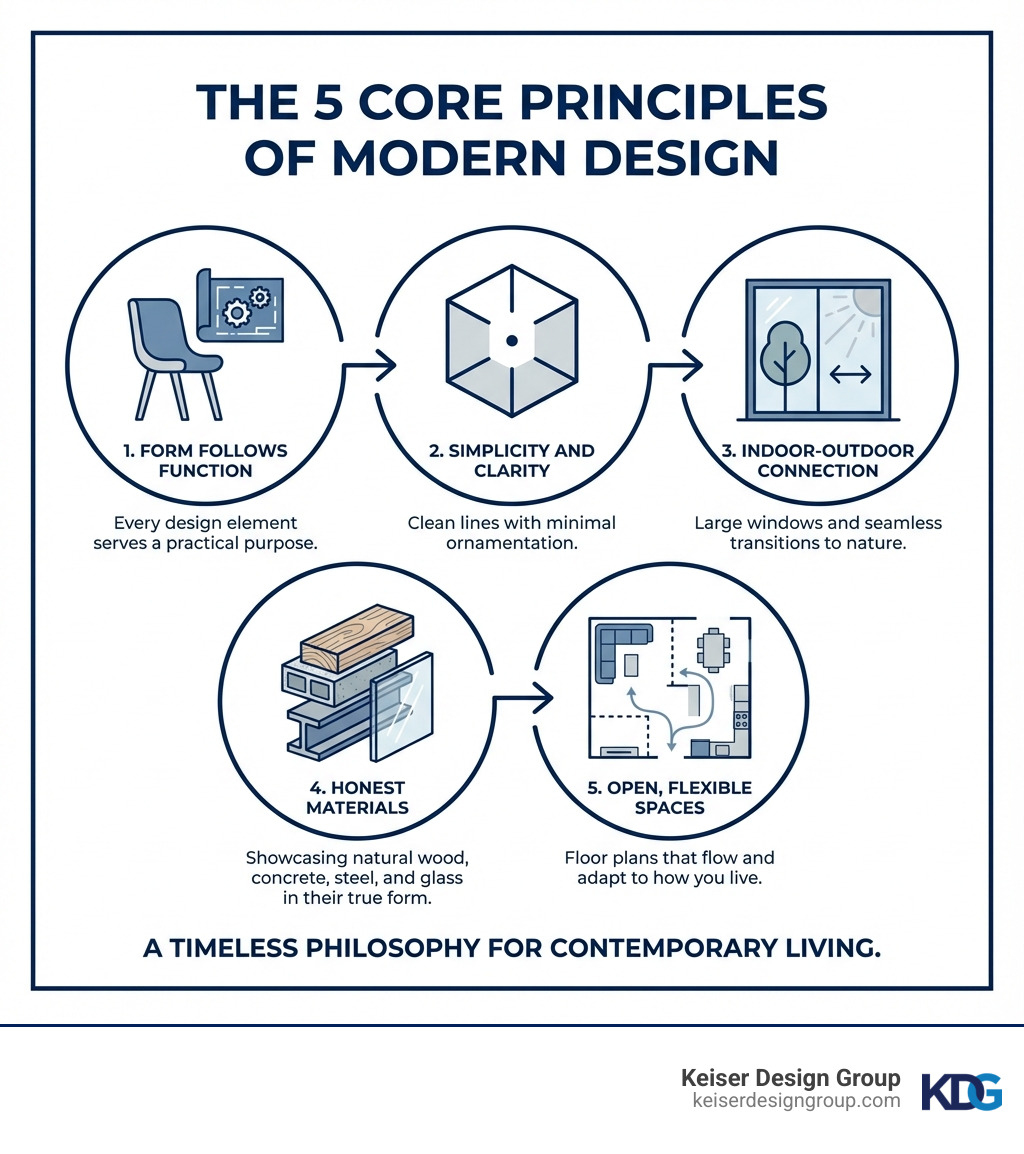
Modern house design combines clean lines, open spaces, and natural materials to create homes that are both beautiful and functional. If you’re exploring modern designs, here’s what defines this timeless architectural style:
Core Elements of Modern House Design:
- Clean lines and minimal ornamentation – Simple, uncluttered forms that emphasize geometry
- Open floor plans – Spaces flow together without unnecessary walls
- Large windows and natural light – Floor-to-ceiling glass connects indoors with outdoors
- Natural materials – Wood, stone, concrete, and steel used honestly
- Function-driven spaces – Every design choice serves a purpose
Modern architecture emerged in the early 20th century as a radical departure from ornate historical styles. Architects stripped away decoration and focused on what actually matters: how spaces feel, how light moves through rooms, and how people live day-to-day.
This approach creates homes that age gracefully. A well-designed modern house built fifty years ago still feels fresh today because it’s rooted in fundamental principles rather than passing trends.
The appeal is simple: Modern design eliminates visual noise. You’re left with spaces that breathe, materials that show their true character, and rooms that adapt to how you actually use them. Whether you’re renovating an existing property or starting from scratch, modern principles can transform how you experience your home.
I’m Dan Keiser, founder of Keiser Design Group, and I’ve spent over three decades helping property owners across Ohio bring their architectural visions to life. Throughout my career, I’ve integrated modern house design principles into countless residential projects, always focusing on the seamless blend of creative vision and practical implementation.
The Defining Characteristics of Modern Architecture
When we talk about modern house design, we’re often picturing homes that embody a philosophy rather than just a trend. It’s about creating spaces that are both aesthetically pleasing and incredibly functional, designed to improve the daily lives of those who inhabit them. Think of a space where every element feels intentional, where light is a primary design tool, and where the boundary between inside and out gracefully blurs.
At the heart of modern architecture are several defining traits. We accept clean lines and geometric forms, often opting for strong horizontal and vertical elements that create a sense of order and calm. Unlike more traditional styles that might feature intricate carvings or decorative flourishes, modern homes champion a lack of ornamentation. This isn’t to say they are stark or cold; rather, their beauty comes from the purity of form, the quality of materials, and the interplay of light and shadow.
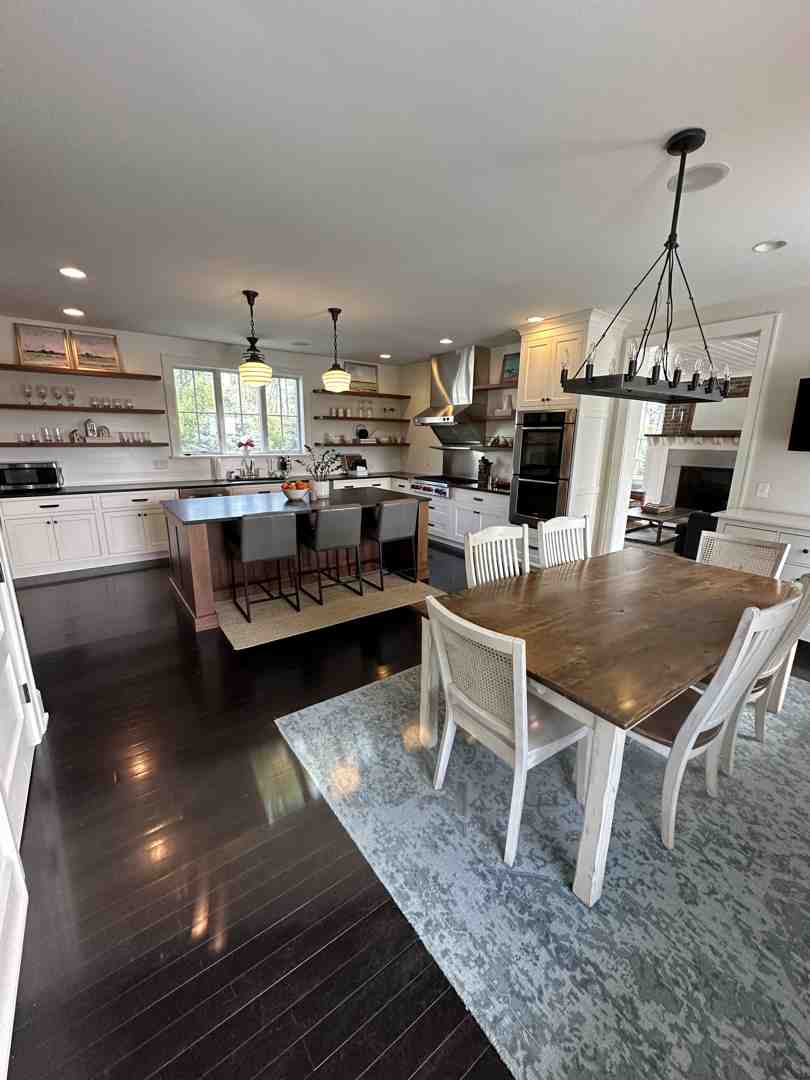
Asymmetrical compositions are another hallmark, allowing for dynamic and visually interesting facades that respond to site conditions and internal functions rather than strict symmetry. Perhaps one of the most beloved features of modern house design is the open floor plan. Walls are minimized, allowing living, dining, and kitchen areas to flow seamlessly into one another. This creates a feeling of spaciousness, encourages interaction, and allows natural light to penetrate deeply into the home. Imagine preparing dinner while still being part of the conversation in the living room – that’s the magic of an open plan.
Finally, a deep connection between indoor and outdoor spaces is paramount. This is achieved through large expanses of glass, such as floor-to-ceiling windows and sliding glass doors, which not only flood the interiors with natural light but also provide expansive views and easy access to gardens, patios, or decks. In a well-designed modern home, your backyard isn’t just something you look at; it’s an extension of your living space.
Key Elements to Look For
When you’re envisioning your own modern home, keep an eye out for these key architectural elements that truly define the style:
- Flat or low-pitched roofs: These are characteristic of many modern designs, contributing to the clean, geometric aesthetic and often incorporating elements like green roofs or accessible outdoor living spaces.
- Strong horizontal lines: These lines emphasize the connection to the landscape and provide a sense of stability and breadth.
- Use of natural materials: We often feature materials like cedar, stone, concrete, and steel in their raw, honest forms, celebrating their inherent beauty and texture.
- Minimalist aesthetic: This means decluttering both visually and physically. Furniture is often sleek and functional, and spaces are designed to be free of unnecessary distractions.
These elements combine to create homes that are not just structures, but carefully crafted environments designed for modern living.
Function Over Form
One of the foundational philosophies of modern house design is “form follows function.” This isn’t just an architectural adage; it’s a guiding principle that ensures every design decision serves a practical purpose while contributing to the overall aesthetic. We believe that a home should work for you, simplifying your life and enhancing your comfort.
This means spaces are purpose-driven. A kitchen is designed for efficient cooking and gathering, a living room for comfortable relaxation and entertaining, and bedrooms for peaceful retreat. We integrate built-in storage solutions that are both neat and practical, helping to maintain an uncluttered interior. Think custom cabinetry that disappears seamlessly into walls or shelving units that become architectural features themselves.
The emphasis on uncluttered interiors isn’t about being sparse, but about creating environments where there’s room to breathe, and where the focus is on the quality of the space and the people within it. This often leads to an efficient use of square footage, where every inch serves a purpose. We carefully plan layouts to maximize natural light, optimize flow, and ensure that even smaller homes feel incredibly spacious and open. Whether it’s a new build or a thoughtful renovation, our goal is always to create spaces that are as intelligent as they are beautiful. If you’re considering enhancing your existing home with these principles, you might be interested in learning more about our renovation services.
Modern vs. Contemporary: Understanding the Key Differences
It’s a common misconception that “modern” and “contemporary” mean the same thing in architecture. While both styles certainly share an affinity for clean lines and open spaces, they are distinct, and understanding the difference can help you articulate your vision more clearly to your architect. This section clarifies a common point of confusion for clients, distinguishing the historical Modern movement from the changing Contemporary style.
Modern design refers to a specific historical period and movement that emerged in the early to mid-20th century. It’s characterized by its rejection of historical ornamentation, its accept of industrial materials like steel and concrete, and its focus on functionality and simplicity. Think of iconic architects like Frank Lloyd Wright or Ludwig Mies van der Rohe – their work epitomizes Modernism. As such, modern design is a static, defined historical style. When we talk about modern house design, we’re drawing from principles established decades ago that remain timeless.
Contemporary design, on the other hand, is dynamic and constantly evolving. It refers to what is current or of the moment. Contemporary homes might borrow elements from modernism, but they also incorporate new technologies, sustainable practices, and aesthetic trends that are popular today. A contemporary home built today might look very different from one built in ten years. It’s a living, breathing style that reflects current tastes and innovations.
Here’s a quick comparison to help solidify the distinction:
| Feature | Modern Design (Historical Style) | Contemporary Design (Current Style) |
|---|---|---|
| Time Period | Early to mid-20th century (1920s-1970s) | What is popular and current right now (constantly evolving) |
| Core Philosophy | Form follows function, rejection of ornamentation, industrial aesthetic | Blends various current styles, innovative, flexible, experimental |
| Materials | Steel, concrete, glass, natural wood (often unpainted) | Can incorporate modern materials but also new composites, recycled materials, natural elements |
| Color Palette | Often neutral, earthy tones, black, white, grays | Can be neutral but also includes bolder accent colors, current trends |
| Lines | Strong, clean, geometric, often horizontal | Can be geometric, but also incorporates curves and organic shapes |
| Longevity | Timeless, enduring principles | Reflects current trends, may evolve with time |
While a modern house design adheres to established principles, a contemporary design might take inspiration from those principles and blend them with something entirely new. Both are beautiful and valid approaches, and we can help you steer which direction best suits your vision for your home.
Materials and Finishes in Modern House Design
The beauty of modern house design often lies in its honest use of materials. Instead of concealing structural elements or masking natural textures, we celebrate them. This approach creates spaces that feel authentic, grounded, and rich in subtle detail.

When you step into a modern home, you’ll frequently encounter a palette of materials chosen for their inherent qualities and ability to create a serene, sophisticated atmosphere. Natural wood, often left in its warm, unpainted state, brings warmth and organic texture. Think exposed timber beams, sleek cabinetry, or beautiful hardwood flooring that ages gracefully. Exposed concrete offers a raw, industrial elegance, whether as polished floors, feature walls, or even countertops. Its cool, tactile surface provides a striking contrast to softer materials.
Steel beams are not just structural necessities; in modern design, they are often left visible, becoming integral parts of the aesthetic. Their strength and precision contribute to the clean lines and open spans characteristic of the style. Glass walls and large windows are fundamental, blurring the lines between inside and out and inviting the landscape into the home. Finally, natural stone accents, such as slate, granite, or limestone, add an element of timeless luxury and connection to the earth, whether used for flooring, fireplaces, or exterior cladding. Together, these materials create a harmonious and inviting environment that is distinctly modern.
Integrating Natural Light in your modern house design
Natural light is not merely an amenity in modern house design; it’s a fundamental design element. We treat light as a material itself, shaping spaces and influencing mood. Maximizing daylight reduces the need for artificial lighting during the day, contributes to energy efficiency, and fosters a profound sense of well-being.
One of the most effective ways we achieve this is through floor-to-ceiling windows. These expansive glass panels offer unobstructed views and flood interiors with sunlight, making rooms feel larger and more connected to their surroundings. Beyond the main living areas, we often incorporate clerestory windows – high-level windows placed above eye level – which allow light to penetrate deep into a space without sacrificing privacy or wall space. Skylights are another fantastic tool, bringing daylight into interior rooms or hallways that might otherwise feel dark.
Strategic orientation for passive solar gain is also a key consideration. By carefully positioning windows and overhangs, especially on south-facing facades (in the northern hemisphere), we can harness the sun’s warmth in winter to reduce heating costs, while shading interiors from harsh summer sun to keep cooling costs down. This thoughtful integration of natural light is not just about aesthetics; it’s about creating a healthier, more comfortable, and more energy-efficient home.
Creating a Warm and Sustainable Palette
While modern house design is known for its clean lines and minimalist aesthetic, it’s a myth that these homes must feel cold or sterile. In fact, many of our clients in Ohio, Indiana, and Kentucky seek designs that are both sleek and profoundly inviting. The secret lies in a carefully curated palette of materials and finishes that blend warmth with sustainability.
We achieve warmth through the thoughtful inclusion of warm woods like walnut, oak, or cherry, which can be used for flooring, cabinetry, wall panels, or even ceilings. These natural elements introduce rich textures and hues that instantly make a space feel more grounded and comfortable. Complementing these woods are natural textiles – think wool rugs, linen curtains, or cotton upholstery – that soften hard surfaces and add a tactile dimension to the interiors.
Layered lighting is another crucial element. Beyond the abundance of natural light, we design sophisticated artificial lighting schemes that allow homeowners to adjust the mood of a room. This includes ambient lighting for general illumination, task lighting for specific activities, and accent lighting to highlight architectural features or artwork. The right lighting can transform a crisp, modern space into a cozy haven at dusk.
Sustainability is also a core principle we integrate. We prioritize energy-efficient windows that not only maximize natural light but also provide superior insulation, keeping your home comfortable year-round and reducing energy consumption. Furthermore, we guide clients toward sustainable material choices, such as recycled content, rapidly renewable resources, or locally sourced materials, minimizing environmental impact without compromising on style or durability. This holistic approach ensures your modern home is not only beautiful and comfortable but also responsible. To understand how we weave these principles into every project, explore more info about our design process.
Bringing Your Modern Home Vision to Life
Starting on a journey to build or extensively renovate a home, especially one adhering to the principles of modern house design, is an exciting endeavor. It’s a process where your dreams take shape, changing from abstract ideas into tangible spaces. This is where the expertise of an architect becomes invaluable – not just as a drafter of plans, but as a visionary partner and guide.
At Keiser Design Group, we see the architect’s role as central to this change. We begin by listening intently to your aspirations, your lifestyle, and your needs. Our job is to translate these nuanced ideas into a coherent and buildable vision. This involves moving beyond initial sketches to develop detailed blueprints that carefully outline every structural, spatial, and aesthetic component of your future home.
A critical first step is thorough site analysis. We examine your property’s unique characteristics – its topography, solar orientation, prevailing winds, views, and surrounding context. This analysis informs how we position the home to maximize natural light, privacy, and connection to the landscape, ensuring the design is perfectly custom to its environment. Simultaneously, we work closely with you on budgeting and planning, establishing realistic expectations and making informed decisions about materials and scope that align with your financial goals. Our comprehensive approach ensures that the path from initial concept to completed construction is clear, efficient, and custom to your specific project needs in Columbus, Indianapolis, Louisville, or any of our service areas.
Why Partner with an Architect for your modern house design?
You might wonder why engaging an architect for your modern house design project is so crucial. While it might seem like an added expense, the value an experienced architectural firm like Keiser Design Group brings is immeasurable, often saving you time, money, and stress in the long run.
Firstly, we offer expertise in complex design. Modern architecture, with its emphasis on structural honesty, seamless indoor-outdoor transitions, and innovative material use, requires a sophisticated understanding of construction, engineering, and spatial relationships. We possess the technical knowledge and creative vision to bring these intricate designs to life, ensuring both beauty and structural integrity.
Secondly, we are adept at navigating building codes and regulations. Across Ohio, Indiana, and Kentucky, local zoning laws, building codes, and permitting processes can be incredibly complex. We ensure your design not only meets your aesthetic desires but also complies with all legal requirements, preventing costly delays or rework down the line. We act as your advocate, streamlining the approval process.
Thirdly, we help in maximizing your property’s potential. Whether it’s a tight urban lot in Cincinnati or a sprawling rural site near Lexington, we see opportunities where others might see limitations. Our designs are conceived to leverage every aspect of your site, optimizing views, natural light, and outdoor living spaces, increasing your property’s value and livability.
Finally, we play a pivotal role in overseeing construction and ensuring a cohesive final product. We act as your representative throughout the building phase, conducting site visits, reviewing contractor work, and addressing any unforeseen challenges. This oversight is vital to ensure that the executed build faithfully reflects the design intent, maintaining quality and craftsmanship, and ultimately delivering a modern home that perfectly aligns with your vision. We believe that partnering with an architect is an investment in quality, efficiency, and peace of mind.
Frequently Asked Questions about Modern Homes
We often hear similar questions from clients who are exploring modern house design. Here are some of the most common inquiries, along with our insights.
How much does it cost to build a modern house?
The cost to build a modern house, much like any custom home, is influenced by several factors and can vary widely. While we don’t discuss specific pricing, we can explain the elements that typically affect the overall investment. The size in square feet is a primary driver; naturally, larger homes require more materials and labor. The quality of materials you choose also plays a significant role. Opting for high-end finishes like custom millwork, premium natural stone, or advanced glazing systems will increase costs compared to standard options.
Site complexity is another important consideration. If your property has challenging topography, requires extensive excavation, or needs specialized foundation work, these factors will impact the budget. Lastly, the level of custom detail you desire will affect the price. A highly bespoke design with unique architectural features, built-in cabinetry, or custom-fabricated elements will generally cost more than a simpler, more standardized approach. Our role is to help you balance your vision with your budget, guiding you through material selections and design decisions to achieve the best value.
Are modern homes energy-efficient?
Absolutely! In fact, modern house design is often synonymous with high performance and sustainability. The emphasis on clean lines and thoughtful design naturally lends itself to creating incredibly energy-efficient homes.
Many modern designs incorporate principles of passive solar design, strategically orienting the home and its windows to harness the sun’s energy for heating in winter and minimize heat gain in summer. This reduces reliance on mechanical heating and cooling systems. We also specify advanced insulation techniques for walls, roofs, and foundations, creating a tight thermal envelope that significantly reduces heat loss and gain.
High-performance windows are standard in modern homes. These are often double or triple-paned with low-emissivity (Low-E) coatings, providing superior insulation and blocking harmful UV rays while still maximizing natural light. Furthermore, the integration of smart home technology allows for optimized energy management, from automated lighting and thermostat controls to efficient appliance usage. When designed correctly, a modern home can be a leader in energy efficiency, translating into lower utility bills and a smaller environmental footprint for homeowners across our service areas.
Can a modern design feel warm and inviting?
This is a fantastic question and a common concern for many clients, especially those who associate “modern” with stark, cold, or industrial aesthetics. The answer is a resounding yes! A well-executed modern house design can absolutely feel incredibly warm, inviting, and comfortable.
The key lies in the thoughtful selection and combination of materials. We achieve warmth through the generous use of wood and stone. Rich wood tones, whether in flooring, cabinetry, or exposed structural elements, instantly add an organic, comforting quality. Natural stone, with its varied textures and earthy hues, provides a grounded and enduring sense of warmth.
The incorporation of soft textiles and rugs is also vital. Plush area rugs, comfortable upholstery, and flowing drapes introduce softness and absorb sound, making spaces feel cozier and more intimate. Furthermore, warm, layered lighting schemes are crucial. Beyond bright functional lighting, we design for ambient and accent lighting using fixtures that emit a soft, inviting glow, creating depth and atmosphere in the evenings.
Finally, a strong connection to the landscape helps to bring the vibrancy and warmth of nature indoors. Large windows that frame stunning views, courtyards that invite fresh air and greenery, and seamless transitions to outdoor living spaces all contribute to a home that feels alive, integrated, and deeply welcoming. Our approach to modern design always prioritizes creating spaces that are not only beautiful but also profoundly livable and inviting.
Conclusion
Modern house design is far more than a fleeting trend; it’s a timeless approach to architecture that prioritizes functionality, beauty, and a deep connection to the environment. From its emphasis on clean lines and open spaces to its honest use of natural materials and abundant natural light, modern design creates homes that are both inspiring and incredibly comfortable. It’s about crafting spaces that simplify your life, improve your well-being, and adapt to your evolving needs.
At Keiser Design Group, we believe in the enduring appeal of this style. Our expertise lies in translating the core principles of modernism – a focus on light, form, and function – into unique, custom designs for our clients across Ohio, Indiana, and Kentucky. We understand that your home is a deeply personal space, and our passion is to create environments that truly reflect your vision while embodying the best of modern architectural thought.
If you’re dreaming of a home that combines neat simplicity with sophisticated functionality, a home that feels both current and timeless, we’re here to help. Let’s create a home custom to you, a modern masterpiece that you’ll cherish for generations.