Architectural planning is the strategic process of defining a building’s goals, layout, and requirements before construction begins. It bridges your vision with practical realities — budget, site conditions, and building codes — so the final structure is functional, safe, and built right the first time.
Here’s what architectural planning covers at a glance:
| Element | What It Means for You |
|---|---|
| Project Vision | Translating your goals into a buildable design concept |
| Risk Mitigation | Catching design problems before they become costly construction mistakes |
| Cost Control | Aligning scope with budget early to avoid overruns |
| Regulatory Compliance | Ensuring your design meets local zoning and building codes |
| Strategic Foundation | Creating a clear roadmap for every phase of the project |
Most people jump straight to picking finishes or imagining their finished space. But skipping — or rushing — the planning phase is one of the most common reasons building projects go over budget, stall in permitting, or end up not quite right once they’re built.
Think of architectural planning as the foundation beneath the foundation. Everything that follows — the drawings, the permits, the contractor bids, the construction itself — depends on how well this stage is done.
A poorly planned project doesn’t just cost more money. It costs time, causes stress, and often produces a result that doesn’t fully match what you had in mind.
I’m Dan Keiser, Founder and Principal Architect of Keiser Design Group, and with over 30 years of hands-on experience guiding clients through every stage of architectural planning — from the first conversation to the final walkthrough — I’ve seen what separates projects that go smoothly from those that don’t. In the sections ahead, I’ll walk you through exactly how the planning process works and what you need to know to set your project up for success.
What is Architectural Planning and Why is it Essential?
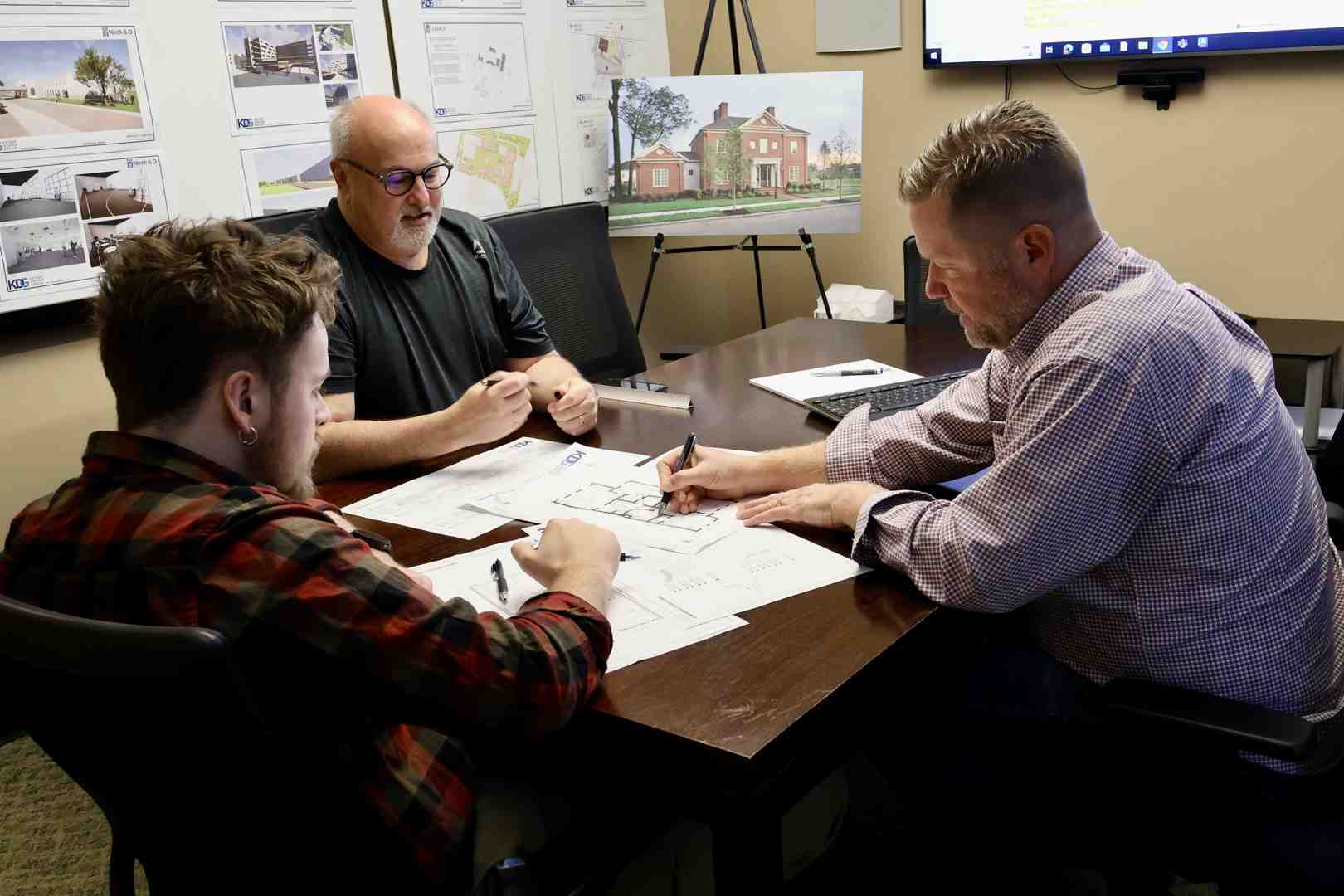
Architectural Planning is the essential first step where we move from “I want to build something” to “This is exactly what we are building and how.” It is a strategic phase focused on problem-seeking and goal-setting. Before a single line is drawn for a blueprint, we must understand the “why” behind the project. This involves Architectural Planning sessions where we discuss your lifestyle, business needs, or organizational mission.
Why is this so vital? Because construction is expensive, and changes made on paper cost a fraction of changes made with a sledgehammer. Effective planning serves several key purposes:
- Feasibility Studies: We analyze your site and budget to ensure your vision is actually achievable. Can the land support the structure? Does the budget match the square footage?
- Goal Alignment: We help translate vague ideas into concrete Building Plans and Designs.
- Problem-Seeking: According to the Whole Building Design Guide on Architectural Programming, programming is the process of identifying the problems that the design must solve. We look for constraints—like a sloped lot in Cincinnati or strict zoning in Franklin County—and turn them into design opportunities.
By the time we finish this phase, we have a “project brief”—a roadmap that keeps everyone from the architect to the general contractor on the same page.
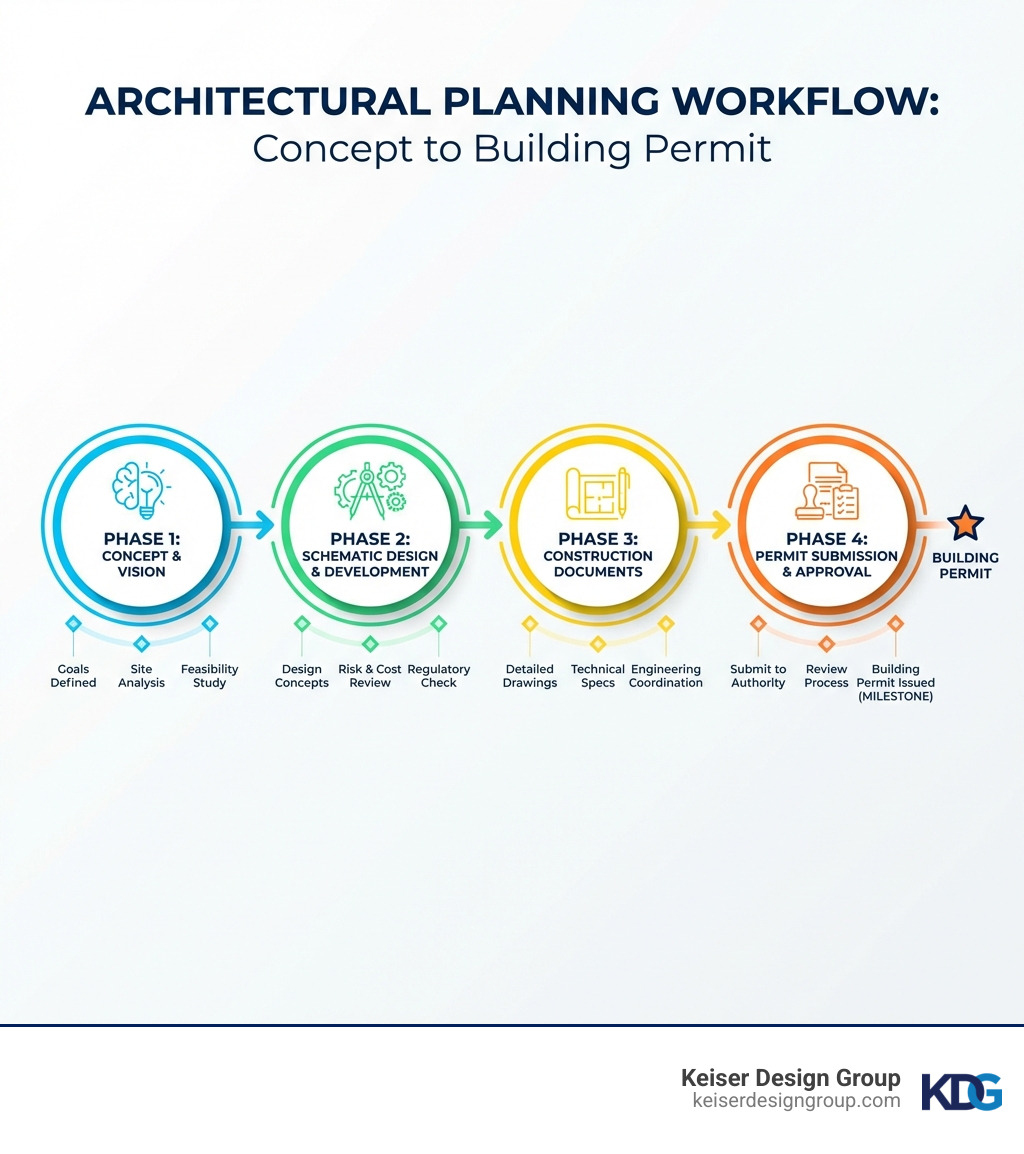
The 5 Phases of the Architectural Design Process
To keep a project from becoming overwhelming, we break the journey into five distinct phases. This structured approach allows us to refine the technical details incrementally. At Keiser Design Group, we follow these steps to ensure a worry-free process for our clients.
1. Schematic Design
This is the “big idea” phase. We explore 1–3 design schemes, looking at the siting, massing, and functional relationships of the rooms. We aren’t worried about the exact brand of faucet yet; we’re making sure the kitchen is in the right place and the building looks the way you want it to.
2. Design Development
Once a scheme is approved, we dive deeper. We define the building envelope, structural systems, and MEP (Mechanical, Electrical, and Plumbing) strategies. This is where we select materials and finishes, ensuring the Five Phases of Commercial Building Design or residential plans are coming to life with technical accuracy.
3. Construction Documents
This is the most labor-intensive phase. We produce the detailed drawings and specifications that contractors use for pricing and construction. These documents are also what we submit to the local building department to get your permits.
4. Bidding
We help you navigate the Commercial Architecture Design Steps by evaluating bids from General Contractors. We look at cost, but also quality and experience, to help you choose the right partner for the build.
5. Construction Administration (20% of Architectural Fees)
Our job doesn’t end when construction starts. We visit the site—often every other week—to ensure the design intent is being followed and to troubleshoot any issues that arise in the field.
| Phase | Fee Range | Primary Goal |
|---|---|---|
| Schematic Design | 10%–25% | Conceptualizing the look and layout |
| Design Development | 10%–25% | Refining systems and materials |
| Construction Documents | 35%–50% | Creating the “Instruction Manual” for the build |
| Bidding | ~5% | Selecting a General Contractor |
| Construction Administration | 20%–30% | Ensuring quality during construction |
Understanding Timelines: How Long Does Architectural Planning Take?
Patience is a virtue in architecture, but we know you’re eager to get started. Generally, the planning and design phase takes between 3 to 8 months.
Several factors influence this timeline:
- Project Size: A small-scale residential renovation or extension in Dayton might take 3 to 6 months.
- Complexity: A bespoke new build with structural alterations or a complex commercial project typically takes 4 to 8 months.
- Permit Processing: Since the pandemic, many local authorities have seen delays. Building and planning approval can take 1 to 3 months depending on the jurisdiction, whether you’re in Harris County, TX or Cuyahoga County, OH.
- Site Conditions: Challenging sites with drainage issues or environmental constraints require more time for analysis.
As noted in the Britannica guide on Architectural Planning, the architect must balance practical aspects of planning with expressive aesthetics, which takes time to perfect.
Leveraging Technology: 3D Modeling and Software
The days of only using 2D “blueprints” are behind us. At Keiser Design Group, we use modern tools to help you see your project before it exists.
The Role of 3D Software in Architectural Planning
3D modeling creates a “digital twin” of your building. This allows for:
- Visualization: You can “walk through” your home or office using virtual reality.
- Error Reduction: We can spot a pipe hitting a beam in the digital model long before it happens on site.
- Spatial Consistency: Using Architectural Drafting and Design software ensures that every view—floor plans, sections, and elevations—is perfectly synced.
Choosing the Right Tools for Architectural Planning
While there are free tools available, professional-grade software offers unrestricted functionality. For a successful project, software should have:
- 3D Object Libraries: To accurately place windows, doors, and furniture.
- Import/Export Capabilities: Supporting formats like DWG or DXF is crucial for collaborating with engineers.
- Shadow Calculations: This helps us see how the sun will hit your living room at 4:00 PM in December.
- Building Permit Compilation: The ability to produce professional plan sets (like Arch D or E sizes) that local officials require.
Site Orientation and Environmental Control
One of the most powerful parts of Architectural Planning is working with nature rather than against it. We look at how your building sits on the land to maximize comfort and minimize utility bills.
- Solar Orientation: In the Northern Hemisphere, we often orient the long axis of a building to capture southern sun in the winter for warmth, while using overhanging eaves to provide shade in the summer.
- Passive Design: By placing windows strategically, we can encourage natural cross-ventilation.
- Site Integration: Think of Frank Lloyd Wright’s Fallingwater—it doesn’t just sit on the site; it becomes part of it. We aim for that same level of harmony, whether we’re designing a modern home in Austin or a church in Nashville.
Navigating Regulations and Building Permits
You might have a grand vision, but that vision has to meet the law. Planning is where we bridge the gap between Regulations vs Vision.
Every city has its own rules. For example, the Building, Housing and Planning Department in Lorain, OH will have different zoning requirements than a department in Dallas or Indianapolis.
We handle the heavy lifting of ensuring:
- Zoning Compliance: Can you build this close to the property line?
- Building Codes: Are the stairs wide enough? Is the fire suppression system adequate?
- Permit Sets: We create a specific set of drawings designed to show city officials exactly how the project meets safety standards.
Frequently Asked Questions about Architectural Planning
How can homeowners effectively collaborate with architects using software?
The best way is to use software as a communication bridge. While you might use a simple app to show us the general layout you like, we will take those ideas and “translate” them into professional CAD software. This helps us understand your spatial needs quickly, reducing the number of revisions needed later.
What are the limitations of free architectural planning tools?
Free tools are great for brainstorming, but they often lack the ability to handle complex rooflines, detailed wall layers (like insulation and vapor barriers), or professional file exports. Most importantly, they don’t include the technical support or regulatory libraries needed to create a permit-ready set of drawings.
Why is the programming phase often overlooked in residential projects?
Homeowners are often excited to see “the pretty pictures” and want to skip straight to the drawings. However, skipping “problem-seeking” often leads to “problem-finding” during construction. Taking the time to define your needs—how you use your kitchen, your storage requirements, or your future plans for the home—saves thousands of dollars in the long run.
Conclusion
At Keiser Design Group, we believe that great architecture starts with a great plan. Whether you are looking for Residential Architecture Services in Columbus or need a Commercial Architecture partner in Houston, our goal is to provide tailored designs through a simple, worry-free process.
From helping you navigate the early stages of a Church Construction Planning Guide to ensuring your new home project stays on schedule, we are here to manage the complexities so you can enjoy the results.
Don’t wing your next project. Let’s plan it together.
Ready to move forward with confidence? Start your architectural planning process with a team that prioritizes your vision, guides you through every step, and ensures nothing is overlooked. Start your architectural planning process with Keiser Design Group today!