Start Early When Hiring Architects in Cincinnati OH
For the strongest result, begin comparing architects in Cincinnati OH before you finalize a property purchase, define the project scope, or ask contractors for bids.
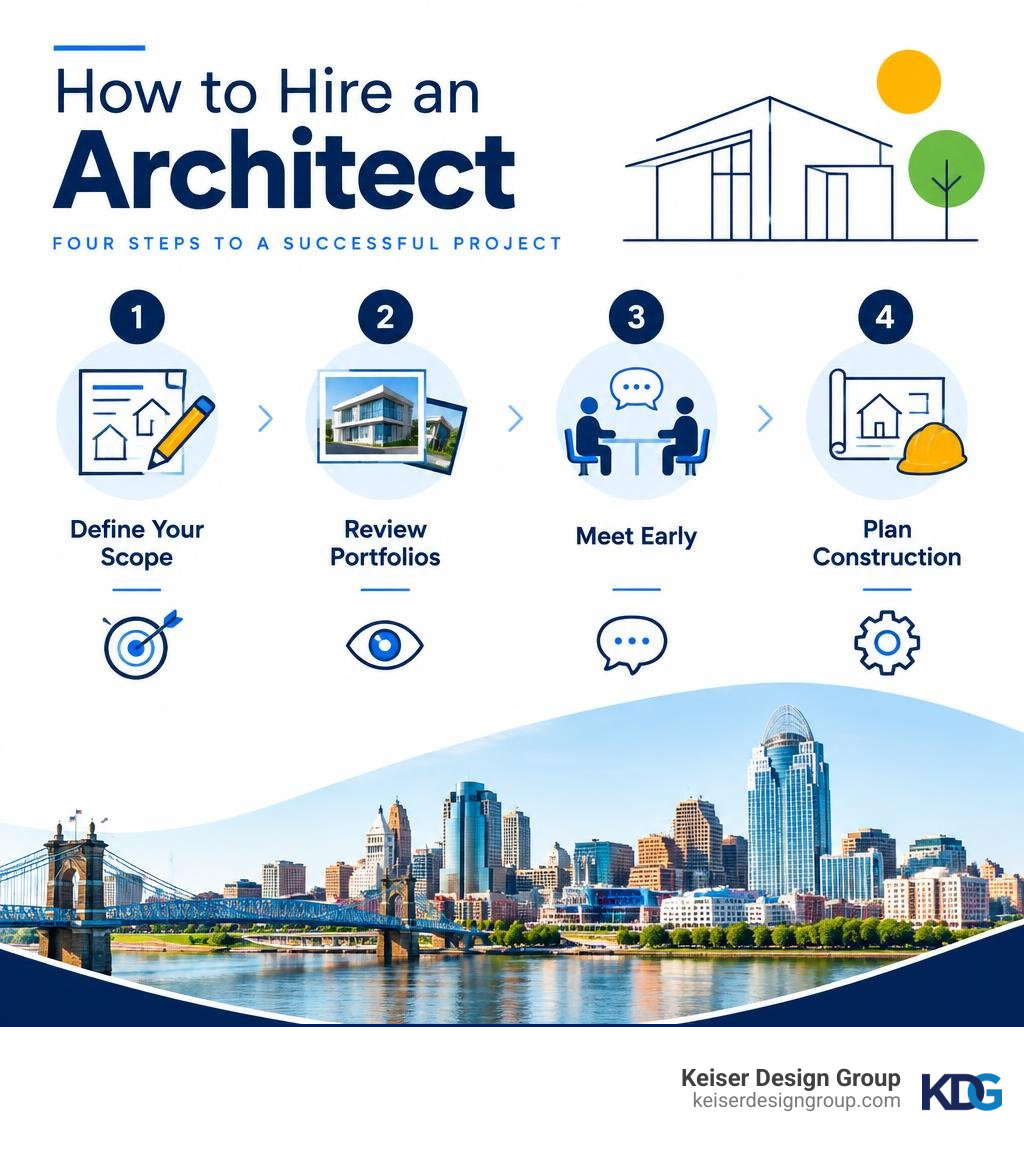
Start with these three steps:
- Define your project needs, priorities, and timeline.
- Review local architects’ portfolios for projects like yours.
- Meet with licensed professionals early to discuss scope, communication, permits, design expectations, and project coordination.
An architect does far more than create plans. They can study site limits, coordinate consultants, help with approvals, compare bids, and support you during construction. Early design input can also uncover smarter layouts, stronger energy performance, and choices that support long-term usability.
Cincinnati projects often involve layered decisions, from neighborhood character and zoning to renovation constraints and construction coordination. A collaborative architect helps turn those moving parts into a clear path forward – with fewer late-stage surprises.
I am Dan Keiser, founder and principal architect of Keiser Design Group, with more than three decades of experience leading design, planning, and construction support for projects across Ohio. I work with property owners seeking architects in Cincinnati OH who can pair creative design with practical project guidance.
Understanding the Value of Professional Architectural Services

Hiring a professional architectural firm delivers strategic value that extends well beyond drafting floor plans. Architects serve as trained problem solvers who evaluate the total environment of a project—balancing aesthetics, structural integrity, local zoning compliance, and operational efficiency. By carefully analyzing building orientation, natural light, and structural workflows, architectural planning transforms raw space into functional, enduring property.
Tailored architectural oversight gives property owners a clearer process for design decisions, code coordination, and construction preparation:
- Coordinated Construction Planning: Strategic material selection and precise construction documentation help reduce avoidable revisions during building.
- Enhanced Energy Performance: Thoughtful orientation, envelope insulation, and efficient mechanical coordination support a more comfortable, better-performing building.
- Long-Term Design Relevance: Timeless design choices and functional spatial planning help the property remain useful, attractive, and adaptable over time.
- Regulatory Streamlining: Navigating building codes, zoning variances, and historic district overlays prevents project delays.
Whether developing a high-performance commercial facility through commercial architectural design or renovating a historic home within the region’s storied neighborhoods, architectural expertise helps ensure every design decision serves a clear purpose. Cincinnati is celebrated for its historic 19th-century Italianate and Victorian structures alongside contemporary developments; understanding the rich history of Cincinnati architecture allows modern designs to integrate seamlessly into their urban or suburban contexts while maximizing modern building performance.
Planning for Long-Term Building Performance
Prioritizing upfront architectural planning supports better decisions across the lifespan of a home, commercial space, or community facility. Early involvement gives our team the ability to conduct detailed site planning, evaluate soil and grading conditions, and determine optimal utility connections before ground breaks. This proactive approach helps prevent avoidable redesign, coordination gaps, and field revisions during active construction.
Long-term performance analysis is integral to this process. Rather than choosing materials based only on availability or appearance, architects evaluate durability, maintenance needs, and replacement cycles. Selecting high-performing building envelopes and durable exterior claddings supports consistent performance and easier maintenance over time. Furthermore, by managing the contractor-selection phase and reviewing proposals, architects help property owners identify discrepancies, verify scope alignment, and clarify expectations before construction begins.
Comprehensive Services Beyond Conceptual Drawings
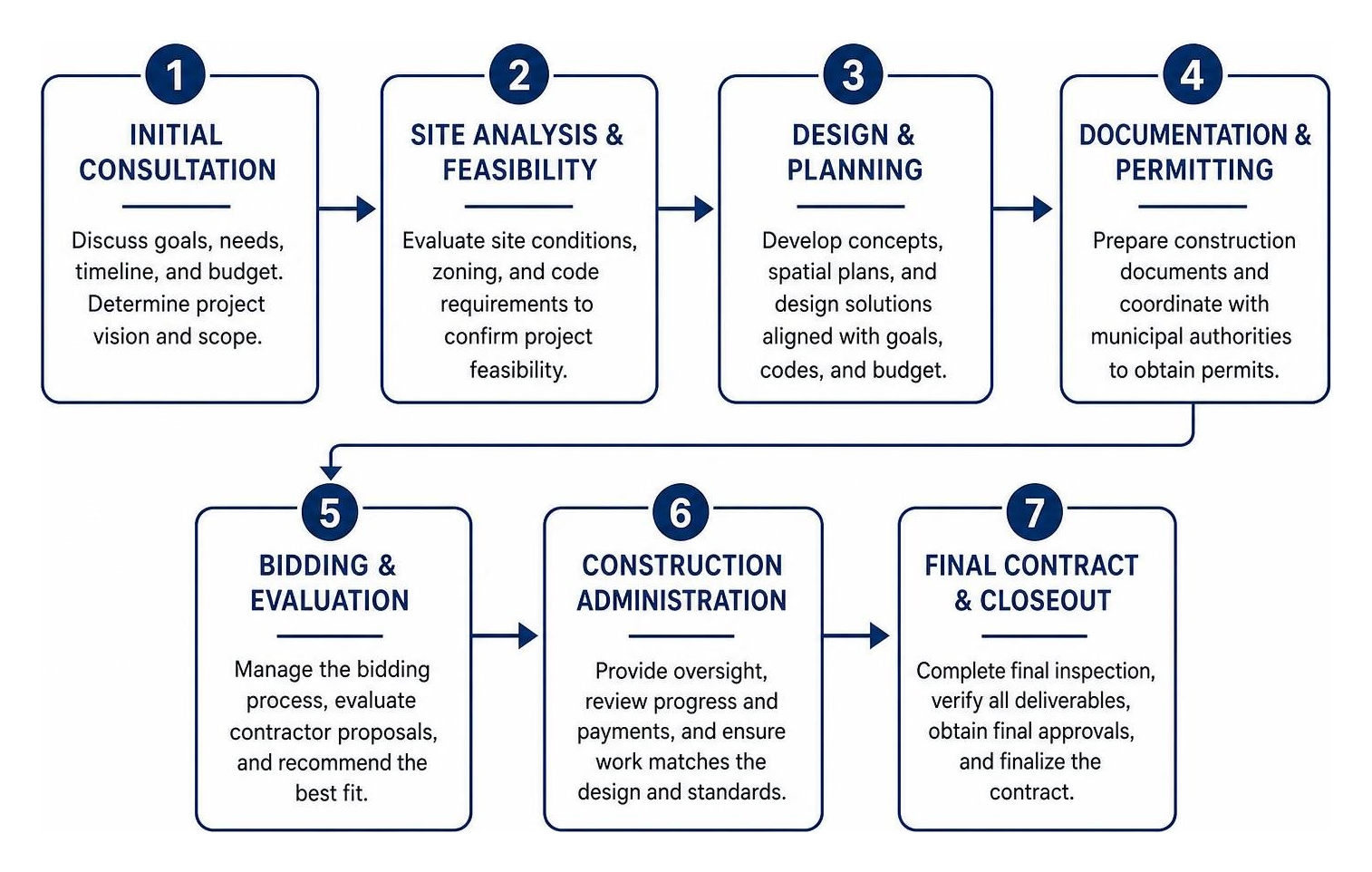
A common misconception is that an architect’s work concludes once the blueprints are completed. In reality, comprehensive architectural services cover every phase from project inception through final occupancy:
| Project Phase | Basic Drafting Service | Full-Service Architectural Firm |
|---|---|---|
| Feasibility & Zoning | Not provided; client must verify local codes | Comprehensive site analysis, zoning review, and variance support |
| Schematic Design | Standard 2D layout based on client sketches | Custom spatial programming, 3D modeling, and energy modeling |
| Permit Acquisition | Basic submission drawings only | Full coordination with municipal building departments and engineering consultants |
| Bid Evaluation | None | Detailed scope analysis, contractor vetting, and proposal alignment |
| Construction Administration | None; ends when plans are handed over | On-site inspections, pay application review, and punch list resolution |
From designing custom residential design solutions tailored to growing families to managing intricate commercial buildouts, full-service architects act as your dedicated representative, ensuring contractors build strictly according to specifications.
How to Choose the Right Architects in Cincinnati OH for Your Project
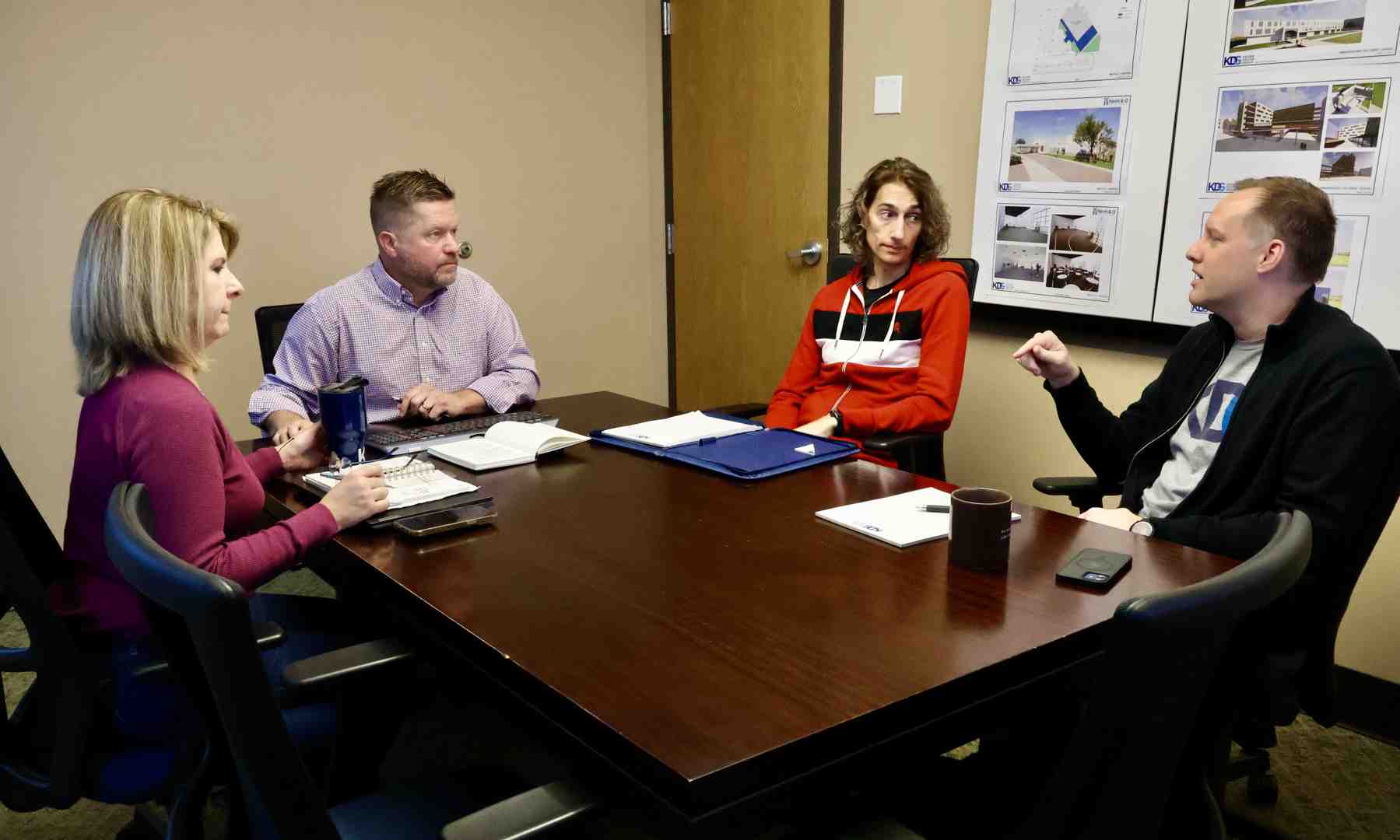
Selecting the right Cincinnati architecture firm requires evaluating technical capability, design philosophy, communication standards, and localized experience. Because every municipality throughout Southwest Ohio—from the City of Cincinnati to surrounding jurisdictions in Hamilton, Warren, and Clermont counties—enforces specific zoning overlays, setback requirements, and building codes, choosing a team familiar with local building authorities is essential for a smooth project timeline.
Working with a full-service Cincinnati architecture firm helps your project receive coordinated oversight across planning, documentation, permitting, and construction support. Working with firms that provide full-service architectural planning guarantees that your project receives dedicated oversight across all development stages.
When to Hire Architects in Cincinnati OH
Engage architects in Cincinnati OH during the initial concept stage before purchasing land, finalizing property decisions, or locking in project assumptions. Early architectural involvement allows your team to perform feasibility studies that examine utility access, environmental factors, topography, and municipal zoning constraints.
If your project involves historic preservation in neighborhoods like Over-the-Rhine or Columbia-Tusculum, early engagement is even more critical. An experienced architect guides projects through Historic Conservation Boards and zoning hearings, ensuring your vision aligns with local historic guidelines while meeting modern performance standards.
Why AIA Affiliation Matters in Southwest Ohio
The American Institute of Architects (AIA) sets the standard for professional practice in the built environment. Hiring an architect affiliated with AIA Cincinnati offers significant assurances:
- Rigorous Continuing Education: AIA members must complete annual continuing education credits in health, safety, welfare, and sustainable design to maintain professional credentials.
- Adherence to Ethical Codes: Members are bound by the AIA Code of Ethics and Professional Conduct, ensuring transparency, honesty, and client-first representation.
- Peer Accountability: Membership reflects a commitment to the highest levels of architectural practice and community leadership.
- Licensure Verification: AIA architects have completed rigorous accredited degree programs, thousands of documented internship hours, and comprehensive national licensing exams.
Step-by-Step Guide to Hiring a Local Architect
Navigating the hiring process systematically helps you choose an architectural partner who aligns with your project goals, design preferences, communication needs, and scope. From our experience across Ohio markets, as detailed in our guide to high-end regional architectural firms, structured preparation produces the most successful outcomes.
Follow this sequential framework when hiring:
- Establish Project Scope and Objectives: Outline your spatial needs, project timeline, and overarching design priorities.
- Compile a Shortlist of Qualified Firms: Research regional architectural firms with strong project portfolios in your specific building category.
- Conduct Initial Consultations: Meet with prospective architects to evaluate design philosophy, project chemistry, and communication protocols.
- Review Scope, Deliverables, and Proposals: Evaluate professional proposals, ensuring the scope of work clearly outlines schematic design, permit acquisition, and construction administration.
- Finalize the Professional Services Agreement: Execute standard industry contracts that define deliverables, milestones, and responsibilities.
Key Questions to Ask Prospective Architects in Cincinnati OH
Before signing a contract, interview candidate firms using these targeted questions:
- What is your experience with projects of similar scale, complexity, and typology?
- How do you integrate zoning, permitting, and building department reviews into the project schedule?
- What design methodology do you use to keep projects aligned with defined goals, scope, and decision milestones?
- How frequently do you conduct on-site construction administration and coordinate with general contractors?
- What software tools and 3D visualization platforms do you use to communicate design concepts to clients?
- Can you provide references from past residential or commercial clients in Southwest Ohio?
Frequently Asked Questions About Hiring Cincinnati Architects
What should be included in an architectural services proposal?
Architectural service proposals should clearly define project complexity, scope of work, delivery method, communication expectations, and the level of construction support included. A strong proposal should explain responsibilities, deliverables, meeting cadence, consultant coordination, permitting support, and construction-phase involvement. Comprehensive design helps reduce coordination errors, material confusion, and schedule disruption by clarifying expectations before construction begins.
Do I need an architect for residential remodeling in Ohio?
While simple cosmetic updates like replacing cabinets or flooring do not require an architect, projects involving structural modifications, additions, basement buildouts with egress requirements, or changes to exterior building envelopes typically require stamped architectural drawings for municipal building permits. Working with a licensed architect ensures all structural alterations comply with the Ohio Residential Code and local safety regulations.
What is the difference between an architect and a draftsperson?
A licensed architect holds a professional degree from an accredited university, has completed extensive supervised practice, and has passed comprehensive national licensing examinations. Architects are legal professionals trained in spatial design, structural integration, building science, building codes, and project management. A draftsperson typically focuses on producing technical drawings from existing concepts without the comprehensive legal liability, code verification, and design problem-solving provided by a licensed architect.
Conclusion
A successful building project begins with thorough planning, creative problem-solving, and professional execution. Partnering with the right architectural firm helps your residential, commercial, or community project achieve lasting beauty, functional efficiency, and long-term performance. At Keiser Design Group, our Columbus-based team works closely with clients across Ohio, delivering tailored architectural solutions through a simple, worry-free process that transforms your vision into reality.
Start your next project with a clearer plan. Contact Keiser Design Group to speak with experienced architects in Cincinnati OH about your design, renovation, or development goals.